World War II Mysterious Conspiracies: Unveiling the Enigmatic Shadows
World War II, a time of unparalleled global upheaval, has become a breeding ground for tales of intrigue and mystery. Beyond the well-documented battles and historical narratives, the war’s landscape is dotted with enigmatic conspiracies that have persisted through the decades. Join us on a journey through the shadows of World War II, where mysteries abound, and conspiracy theories weave a complex tapestry of intrigue.
1. The Disappearance of Flight 19:
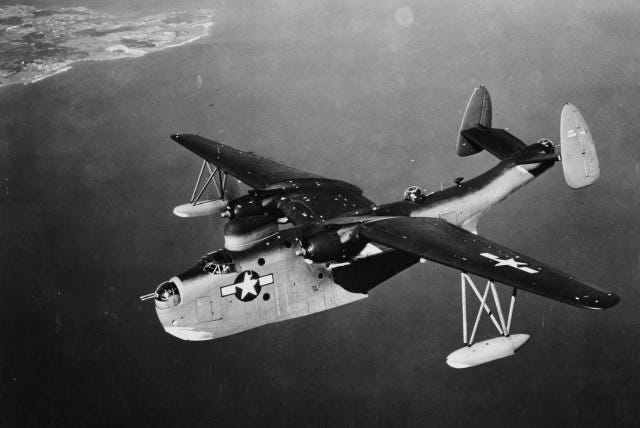
December 5, 1945, marked the beginning of an eerie chapter in aviation history when Flight 19, a squadron of U.S. Navy bombers, disappeared without a trace in the infamous Bermuda Triangle. This enduring mystery has fueled speculation, conspiracy theories, and an air of ominous uncertainty surrounding the unexplained vanishing of five aircraft and their 14 crew members.
Flight 19, consisting of five Grumman TBM Avenger torpedo bombers, embarked on a routine training mission from Fort Lauderdale, Florida. Led by experienced flight instructor Lieutenant Charles Taylor, the squadron was tasked with a navigation exercise known as “Navigation Problem Number One.” However, what unfolded over the Atlantic that day would become the stuff of legend.
As the flight progressed, Lieutenant Taylor reported compass malfunctions, contributing to navigation errors. Despite radio communication attempts, the squadron’s transmissions grew increasingly frantic. They seemed lost. Eventually, radio contact faded, leaving Flight 19 and its 14 crew members in radio silence and, as it would turn out, lost at sea.
Flight 19’s vanishing act in the Bermuda Triangle remains one of aviation’s enduring mysteries. Whether a victim of navigational errors, atmospheric anomalies, or something more otherworldly, the disappearance continues to capture the imagination. As the legend persists, Flight 19 stands as a haunting reminder of the uncertainties that can unfold in the vast and enigmatic expanse of the Bermuda Triangle.
2. The Mythical Bell of Die Glocke:
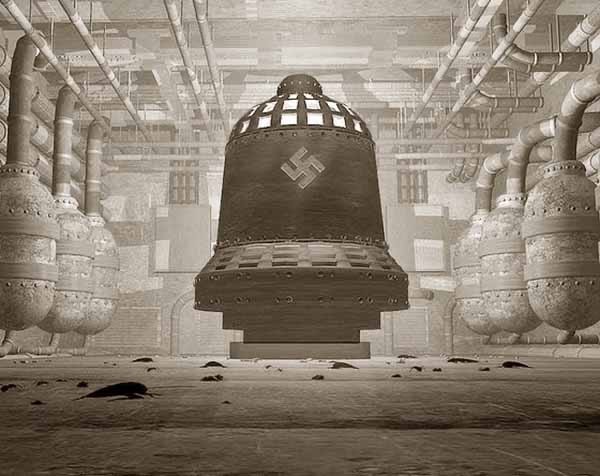
In the dark corridors of World War II history, a mysterious and mythical object known as “Die Glocke,” or “The Bell,” has captured the imaginations of conspiracy theorists and historians alike. This elusive Nazi secret weapon, rumored to possess extraordinary powers, remains shrouded in intrigue and speculation.
Die Glocke was purportedly a metallic device resembling a bell, about nine feet in height, filled with a violet-hued substance referred to as “Xerum 525.” According to the alleged documents, it was powered by a mysterious rotating liquid called “Red Mercury” and had anti-gravity and time-manipulation capabilities. The fantastical technical specifications added to the intrigue.
Die Glocke was said to be tested at the Wenceslas Mine near the Czech border. According to the lore, experiments with the bell led to bizarre effects, including the deaths of scientists and strange phenomena. While there is no concrete evidence to support these claims, they have contributed to the mystique surrounding Die Glocke.
Die Glocke stands as a testament to the enduring fascination with wartime secrets and speculative technologies. Whether a genuine Nazi experiment, an elaborate hoax, or a post-war myth, the bell’s enigmatic aura continues to captivate the imagination. As we navigate the blurry line between history and legend, Die Glocke remains a symbol of the mysterious and unexplained facets of World War II.
3. The Foo Fighters Phenomenon:
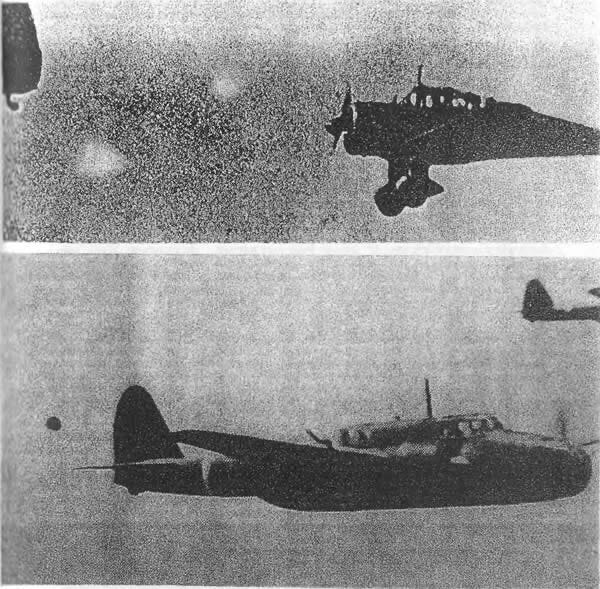
Amidst the chaos of World War II, a peculiar and mystifying occurrence captured the attention of both Allied and Axis pilots. They reported encountering unidentified flying objects (UFOs) that danced in the night sky, christened by the pilots as “foo fighters.” This phenomenon, shrouded in mystery, became a fascinating and enduring chapter in the wartime narrative.
Pilots from both Allied and Axis forces reported sightings of foo fighters, describing them as agile and seemingly intelligently controlled objects. The sightings occurred in various theaters of war, from Europe to the Pacific. Witness testimonies were remarkably consistent, detailing the objects’ ability to perform maneuvers beyond the capabilities of known aircraft.
The foo fighters phenomenon prompted a range of theories. Some believed they were secret weapons or experimental technologies deployed by the enemy. Others speculated on extraterrestrial origins, attributing the sightings to UFOs. The lack of a clear explanation fueled both wartime rumors and post-war conspiracy theories.
The foo fighters phenomenon remains a captivating enigma from the annals of World War II. Were they secret weapons, experimental aircraft, or something more otherworldly? As we delve into the accounts of those who witnessed these mysterious objects, the foo fighters continue to dance in the shadows of wartime history, challenging our understanding of the skies and leaving us with an enduring sense of wonder and curiosity.
Whoa!!!
ReplyDelete